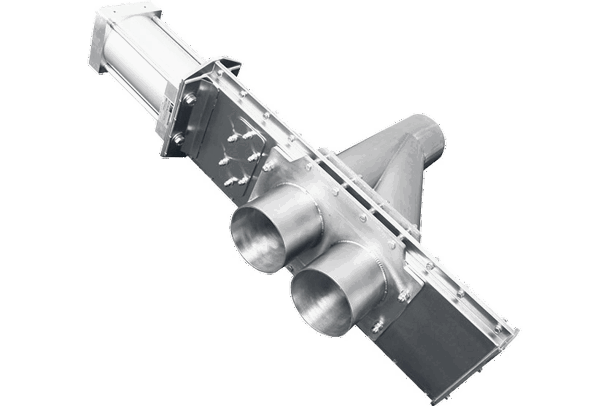
Diverter Valves Finder

Want to find out more about this offering?

Get in touch

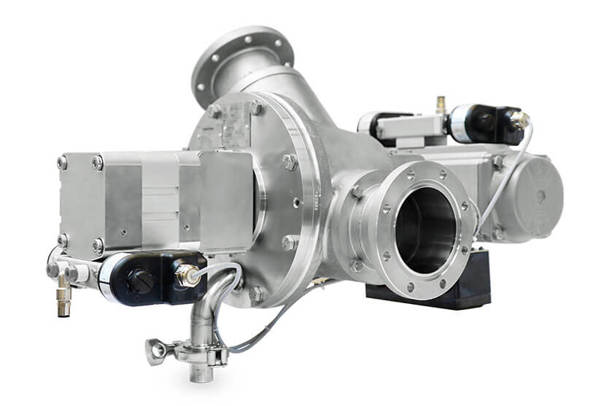
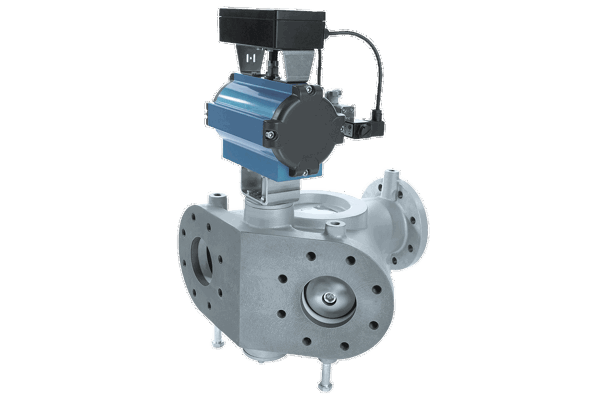
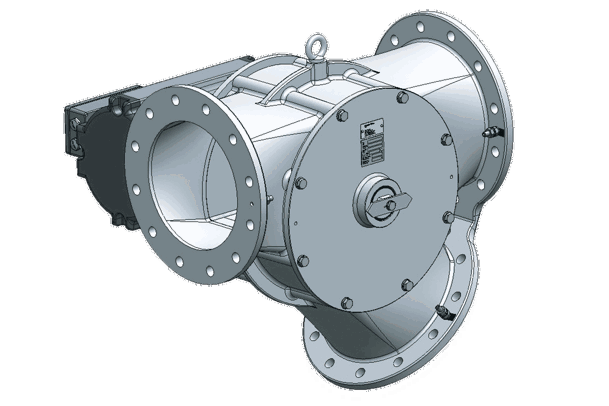
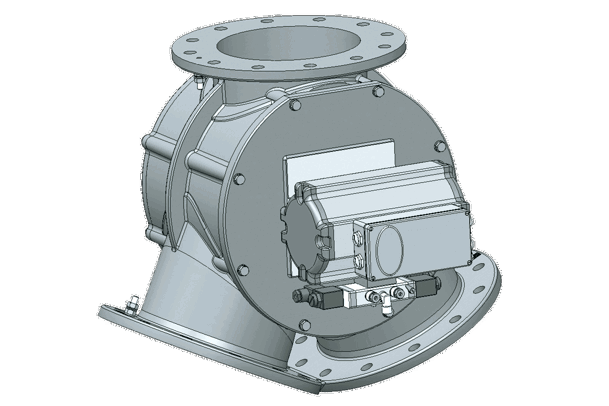
Program overview for diverter valves

Coperion and Coperion K-Tron diverter valves come with the assurance of decades of experience, know-how and proprietary development, and manufacturing with top quality materials.

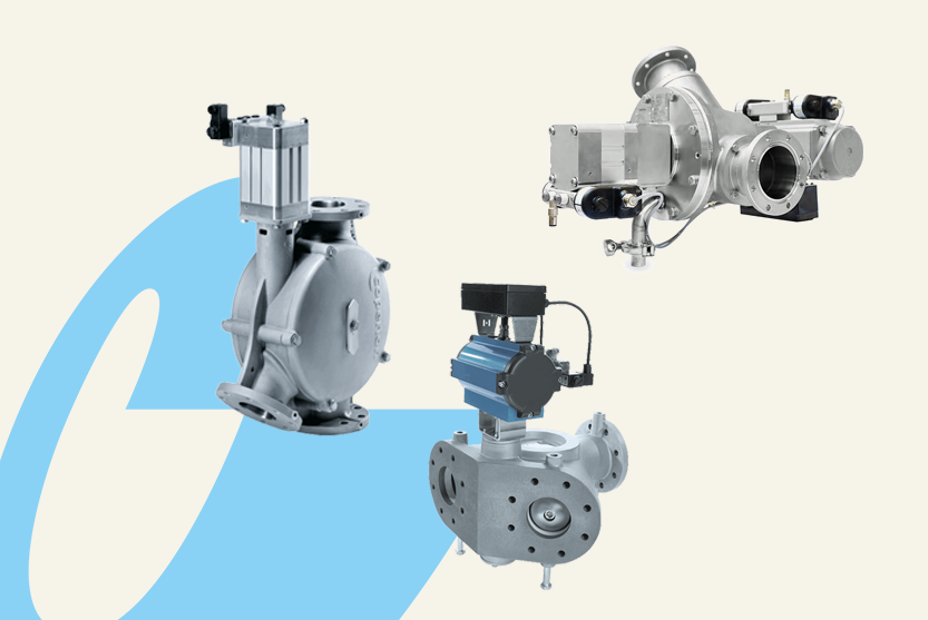
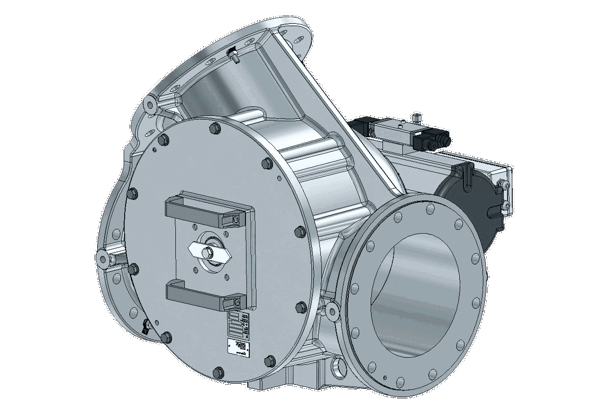
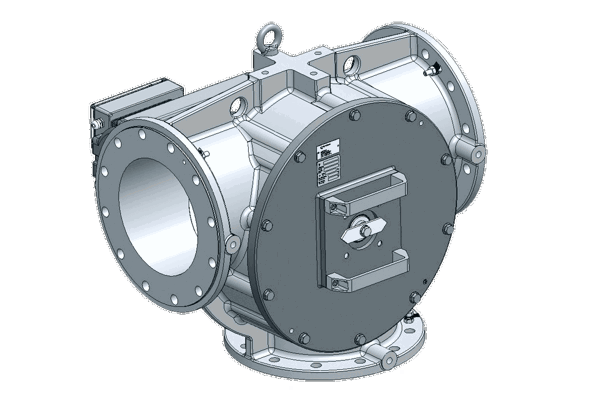
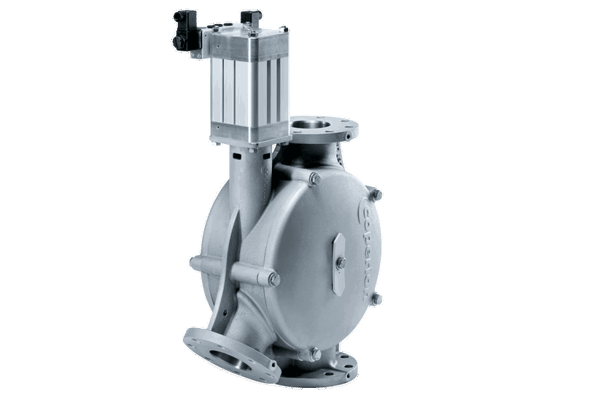
Diverter Valves direct material from one source to multiple destinations and make sure that conveying air and product are forwarded with low resistance.

We supply certified solutions for requirements regarding sanitary and flameproof design and ATEX conformity.

Application

  • Pressure range up to 6 barg (87 psi)
  • Operation temperature up to 100o C [212o F]
  • For powders and/or granular products

Select the type of product that suits your needs

Material Tags

Find the Right Rotary Valve for Your Needs!

Product Filter

Explore our broad range of rotary valves to quickly narrow down your choices based on material and type of valve. Whether you need a valve for powders, granules, or other bulk materials, our intuitive filter will guide you to the perfect match.

Product Filter
Coperion offers a broad variety of rotary valves for different bulk materials - both for discharging and pneumatic conveying

Plastics Industry

Powerful rotary valves to ensure gentle, reliable and economical handling of powders and pellets or granules.

Powerful components for all process stages. Discharging, dosing, conveying, separating, cleaning, homogenising, heating, cooling etc. – it is only possible to supply detailed solutions which result in decisive improvements throughout the entire process chain with indepth knowledge of each process stage.

PLASTIC APPLICATIONS

Chemicals Industry

Continually optimimised first-class products for a very wide range of requirements.

Rotary valves, diverter valves, slide gate valves etc. – Coperion supplies a wide range of components that reliably prove their worth and functionality in many bulk materials systems around the world.

CHEMICAL APPLICATIONS

Food Industry

lnnovative technology for optimum operational reliability and sanitary production.

Bulk materials components for pneumatic conveying and discharging of food must meet particularly high demands regarding hygiene and cleanability. Coperion has developed ideal concepts for all types of applications.

FOOD APPLICATIONS

Minerals Industry

Track-proven wear protection concepts for a long service life.

Many minerals put a considerable strain on the components in bulk materials systems as they are very abrasive. Coperion masters these challenges with innovative wear protection concepts that were developed on the basis of the results of comprehensive studies. These have proven their effectiveness in practical applications many times.

MINERALS APPLICATIONS
1/4

Rotary Valve Basics Explained: Expert Guides and Technical Insights

YOU DON'T HAVE EXPERIENCES WITH ROTARY AND DIVERTER VALVES? WE GOT YOU COVERED!

Navigating the world of rotary valves can be challenging, especially for those new to the topic. Understanding their functions, types, and applications is crucial for optimizing processes in various industries. This FAQ section addresses first common questions. Don't hesitate to contact our experts to discuss in-depth requirements!

  • What Are Typical Sizes of Rotary Valves?

    Rotary valves are available in a wide range of flange sizes, typically from 80 mm up to 1000 mm, depending on the application and required throughput. Smaller rotary valves are often used for precise dosing or low material flow rates, while larger sizes are designed for high-capacity conveying systems and bulk discharge applications.

    This broad size range allows rotary valves to be adapted to different process requirements, ensuring efficient material handling across various industries and installation setups.

  • What Materials Are Rotary Valves Made Of?

    The housing components of a rotary valve are typically made from gray cast iron, stainless steel, or aluminum, depending on the application and process requirements. The rotor is usually manufactured from carbon steel or stainless steel, selected to match the housing material and ensure long-term durability.

    These material options allow rotary valves to be adapted for different industries and operating conditions – from standard bulk handling to hygienic, corrosion-resistant, or abrasion-resistant applications.

  • Where Are Rotary Valves Used?

    Rotary valves are primarily used for feeding and discharging bulk materials in pneumatic conveying systems, both pressure and vacuum types. They also serve as airlocks installed below receivers, filters, and cyclones, maintaining system pressure while allowing continuous material flow.

    In addition, rotary valves are widely applied in volumetric dosing processes, such as big bag filling, batch feeding, or supplying screw conveyors. Their versatility and reliable sealing performance make them an essential component in bulk material handling across industries such as plastics, food, chemicals, and minerals.

  • What Is Leakage Gas in a Rotary Valve? Why Must Leakage Air Be Considered in a Rotary Valve?

    Leakage air (or leakage gas) in a rotary valve refers to the volume of air that flows through the clearances between the housing and the rotating rotor, moving from the higher-pressure side to the lower-pressure side.

    In some applications, “scoop air” is also considered. This is the air volume carried upward by the empty rotor chamber as it rotates. Understanding leakage air is crucial for maintaining system efficiency, controlling pressure differences, and ensuring consistent material flow in pneumatic conveying and bulk handling systems.

    Leakage air in a rotary valve must be taken into account for two key reasons:

    • Impact on product flow: Air flowing in the opposite direction can interfere with the material, reducing the conveying capacity.
    • Energy and efficiency: Leakage air decreases the available air volume for pneumatic conveying, which can increase system energy consumption.

    Properly understanding and managing leakage air is essential to ensure consistent material flow, efficient system performance, and optimal energy use in bulk material handling applications.

    Learn more

  • What Throughput Can Be Achieved with a Rotary Valve, and How Is It Calculated?

    The throughput of a rotary valve depends on several factors, including the bulk density of the conveyed material, the rotor size, and the operating conditions. Depending on these factors, rotary valves can handle anything from a few grams per hour up to several hundred tons per hour, making them suitable for both small-scale dosing and high-capacity bulk material handling.

    In general, the throughput can be estimated by multiplying the rotor chamber volume by the rotational speed. However, in real-world applications, the filling degree of each chamber is critical and is influenced by factors such as:

    • Material flow properties (e.g., powder, granules, or pellets)
    • Conveying pressure and system vacuum
    • Temperature conditions
    • Clearance design between rotor and housing

    Accurate consideration of these parameters ensures consistent material flow, efficient system operation, and optimized throughput in pneumatic conveying and bulk handling processes.

  • What Are Typical Rotational Speeds for Rotary Valves?

    The rotational speed of a rotary valve depends on several factors, including the valve size, the required throughput, and any explosion protection (ATEX) requirements. In most applications, rotary valves operate at speeds ranging from 1 to 70 revolutions per minute (RPM).

    Selecting the correct speed is essential to ensure consistent material flow, accurate dosing, and efficient system operation while protecting both the valve and the conveyed product.

  • For What Differential and System Pressures Can Rotary Valves Be Used?

    Rotary valves are designed to operate under a wide range of differential and system pressures, depending on the application and construction type. Standard rotary valve designs are suitable for pressure ranges from a few millibars up to 3.5 bar.

    For more demanding applications, reinforced or special versions can handle system pressures up to 6 bar, while custom-engineered rotary valves are available for pressures exceeding 20 bar. This flexibility allows rotary valves to be used in both low-pressure and high-pressure pneumatic conveying systems, ensuring reliable and pressure-tight material handling across industries.

  • How Much Does a Rotary Valve Cost?

    The cost of a rotary valve varies depending on several factors, including the valve size, material of construction, application requirements, and any additional components or custom features.

    As a general guideline, prices for rotary valves typically range from a few thousand euros for standard models up to several tens of thousands of euros for specialized or heavy-duty designs. Choosing the right configuration ensures the best balance between performance, durability, and investment cost for your specific bulk material handling process.

  • When Is a Rotary Valve Suitable as an ATEX Explosion Protection System?

    A rotary valve can function as an ATEX-certified explosion protection system when it is specifically designed to prevent the propagation of an explosion from one part of a plant to another.

    To qualify as an explosion isolation device, the valve must demonstrate sufficient pressure resistance and prove that an ignited flame or spark on one product side cannot pass through to the other. This ensures that a potential explosion is contained and isolated within a defined section of the process.

    The certification process for ATEX rotary valves is conducted by an independent, notified body, verifying compliance with the EU ATEX Directive and relevant safety standards for explosion protection.

    Learn more about our ATEX services.

  • When Can a Rotary Valve Be Installed in an Ex Zone?

    A rotary valve can only be installed in an Ex zone (explosive atmosphere) if it is proven that the valve itself does not act as an ignition source. Potential ignition sources can include excessive surface temperatures, mechanically generated sparks, or electrostatic discharges.

    Depending on the zone classification and category, any foreseeable malfunctions must also be evaluated to ensure safe operation. In certain cases, verification and approval by an independent, notified body may be required to confirm compliance with ATEX directives and explosion protection standards.

  • What Is a Hygienic Rotary Valve?

    A hygienic rotary valve is specifically designed to meet strict cleanliness and hygiene requirements in industries such as food processing, pharmaceuticals, and nutraceuticals. In addition to the careful selection of materials, these valves are engineered to minimize product buildup in dead zones and on internal surfaces.

    This hygienic design allows for easy cleaning, reduced risk of contamination, and full compliance with industry hygiene standards such as FDA, EHEDG, or GMP guidelines. As a result, hygienic rotary valves ensure safe and reliable material handling in applications where product purity and cleanliness are essential.

    Learn more

  • What Is a Quick-Clean Rotary Valve?

    A quick-clean rotary valve is designed to simplify maintenance and cleaning in applications where frequent product changeovers or strict hygiene standards are required. These valves feature a mechanism that allows the housing to be opened quickly, giving easy access to internal components without the need for special tools.

    With just a few hand movements, the rotor can be withdrawn and pivoted to the side, providing full access to the housing bore and rotor surfaces for efficient inspection, cleaning, and reassembly. This design minimizes downtime, supports hygienic operation, and ensures consistent process performance in industries such as food, pharmaceuticals, and plastics processing.

  • What Is a Gentle-Handling Rotary Valve?

    A gentle-handling rotary valve is specifically designed to protect delicate materials during conveying and discharge processes. In standard rotary valves, the rotating rotor can sometimes trap granular or pelletized products between the rotor blades and the housing, which may cause product degradation or even particle breakage.

    To prevent this, gentle-handling rotary valves incorporate special design features, such as optimized clearances, smooth internal surfaces, and modified rotor geometries, that minimize mechanical stress on the material. This ensures gentle conveying, preserved product quality, and consistent performance, particularly in industries handling sensitive or high-value materials such as plastics, food, and pharmaceuticals.

  • What Is a Wear-Protected Rotary Valve?

    A wear-protected rotary valve is engineered to handle abrasive bulk materials that cause frictional or erosive wear, especially in systems involving pneumatic conveying air. To resist this wear, the valve’s internal surfaces are coated or lined with highly durable materials such as chromium, tungsten carbide, or ceramics.

    These protective coatings and liners significantly increase the valve’s resistance to abrasion, extending its service life and maintaining reliable performance even in demanding applications. Wear-protected rotary valves are commonly used in industries such as minerals, chemicals, plastics, and power generation, where long-term durability is essential.

    Learn more

Submit Your Questions

DOWNLOADS

Subscribe to the Coperion Newsletter